Farm to fiber
How banana fiber is made — the 6-step process behind every bale
Buyers ask us constantly: how is banana fiber made, and how does decortication work? Here is the complete answer — one photo per step, the same machinery whether the output is raw banana fiber, pineapple leaf fiber (PALF), or cottonized staple for spinning.
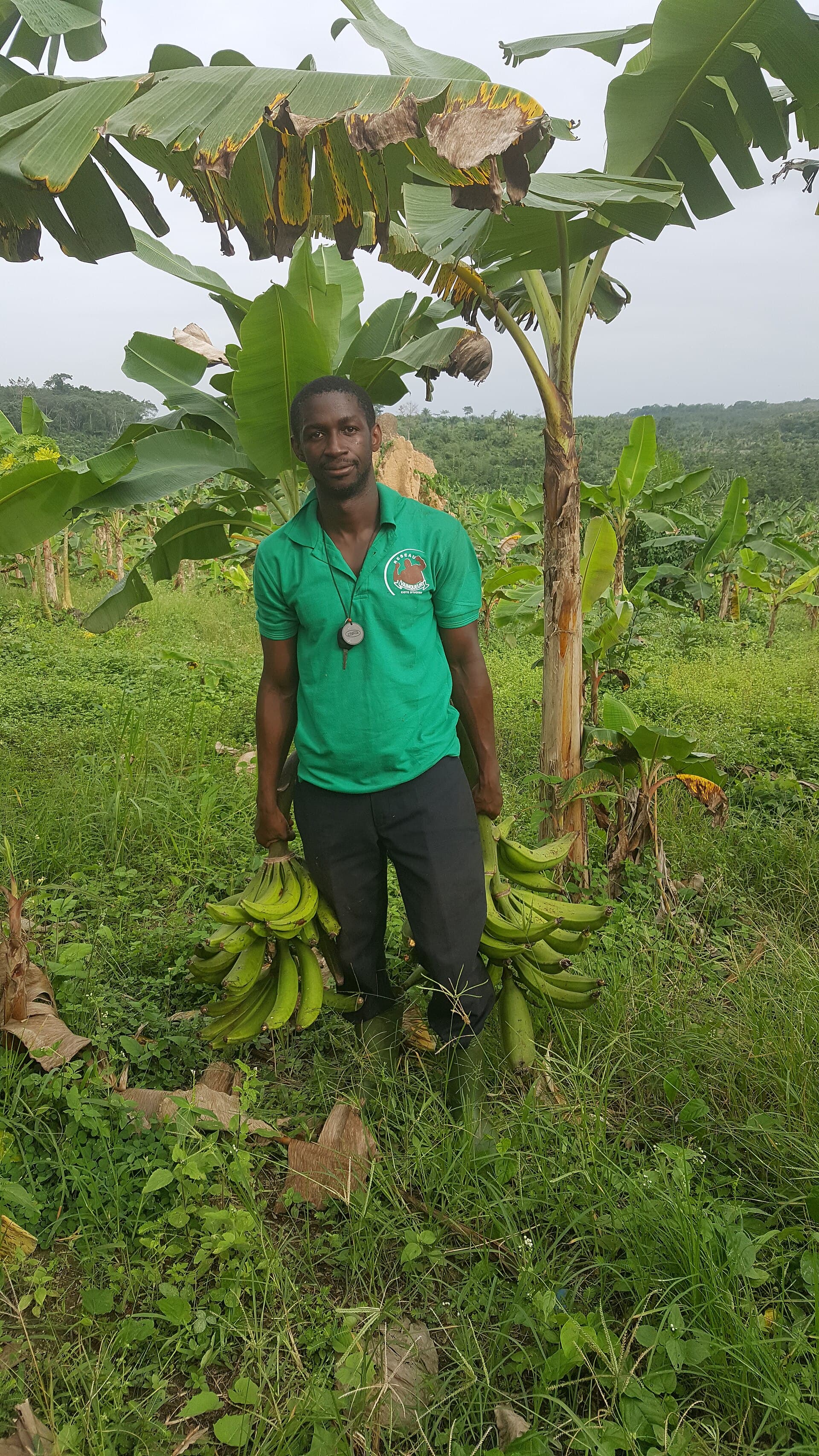
The fields around Modhupur, Tangail
Harvest waste collection
Banana plants fruit once; after the bunch is harvested the 30–40 kg pseudostem is cut down, and every tonne of pineapple picked leaves ~3 tonnes of leaves in the field. Our field teams buy this waste from local farmers — fresh, within days, while the fiber is still supple.
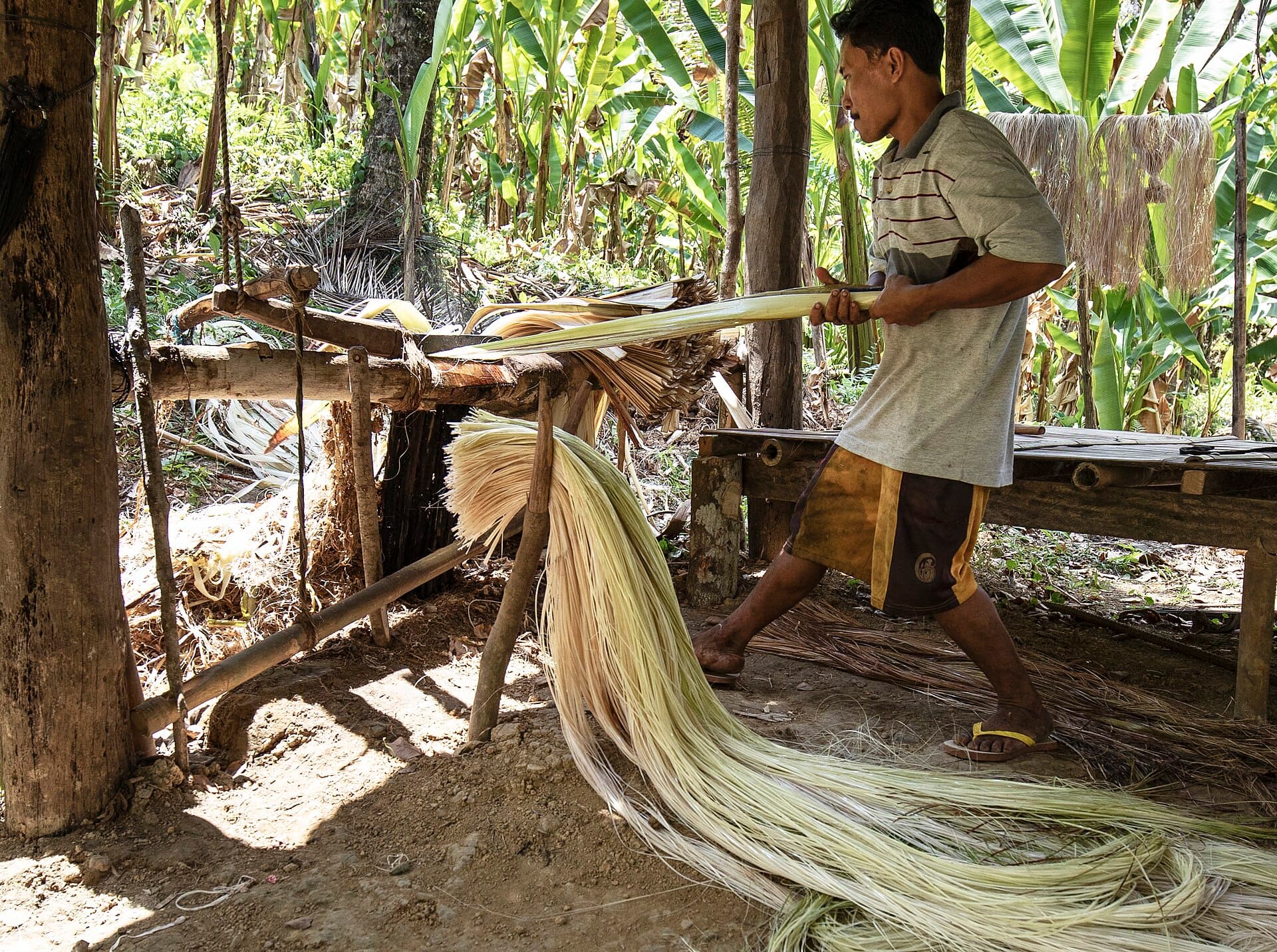
Chemical-free, by design
Mechanical decortication
Split pseudostems and scraped leaves feed between rollers and blades that crush the pulp and strip the non-fibrous material, leaving long bast strands intact. No boiling, no retting ponds, no acid or alkali baths — and roller pressure is re-tuned per batch.
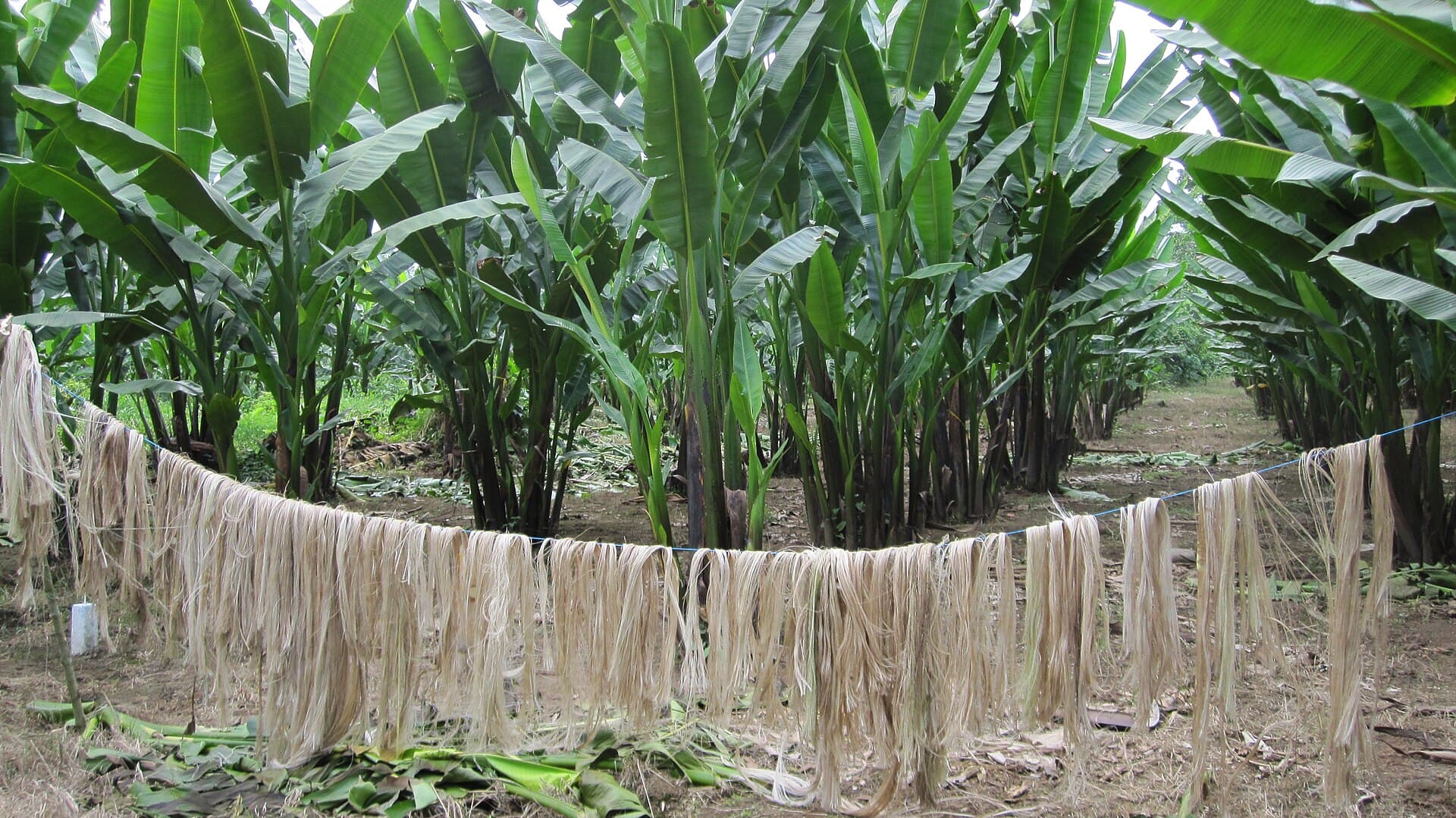
Stability is the spec
Washing & controlled drying
Fresh strands are washed in clean water, then sun-assisted and oven-finished to a verified 9–12% moisture. Too wet and the fiber molds in the bale; too dry and it turns brittle. This control is why the fiber still holds 500–900 MPa tensile months later at your mill.
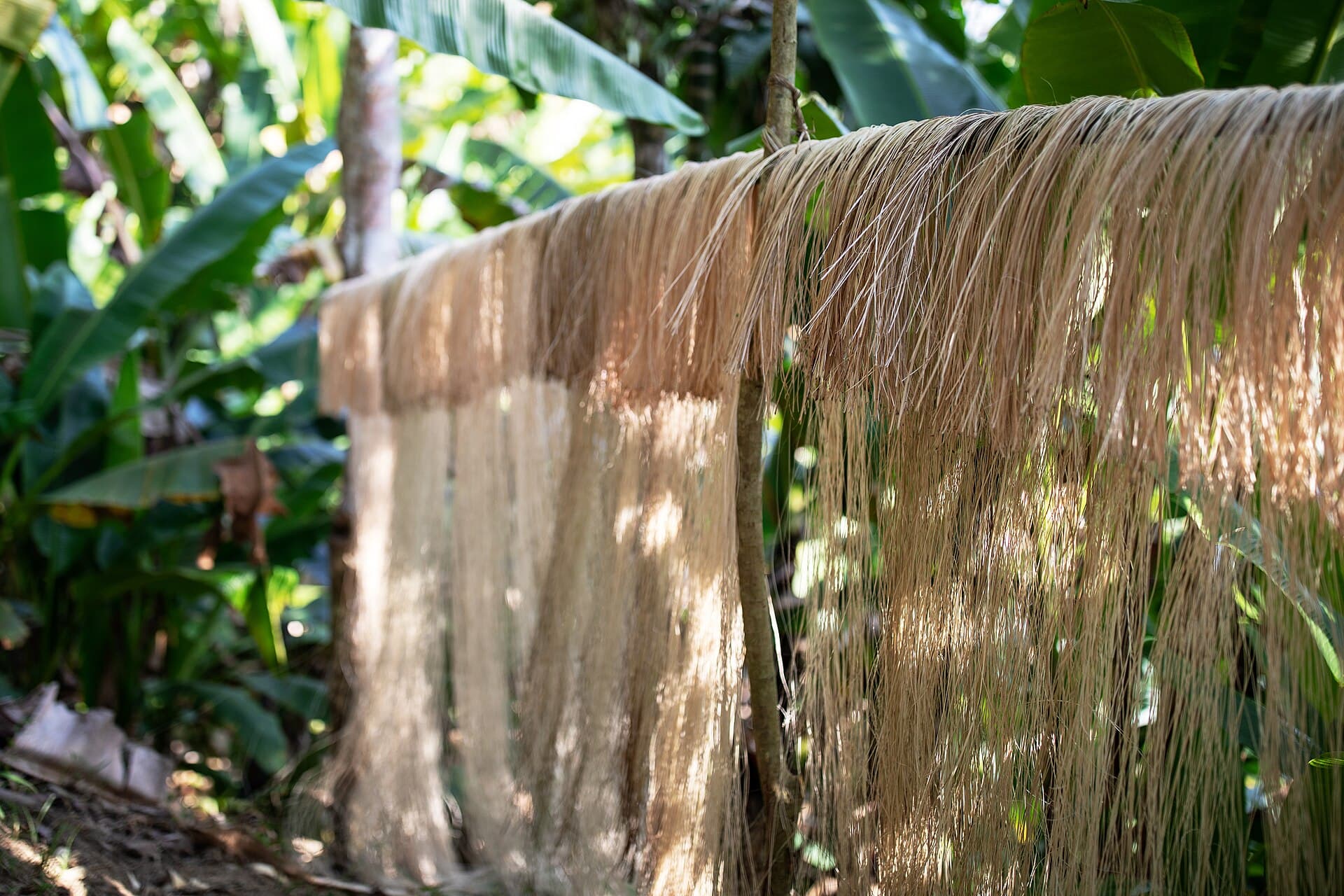
Three grades, three price points
Grading & lab testing
Dried fiber is sorted by length, fineness, color, and defect count into Textile (1.0–3.0 m, 80–250 µm), Craft, and Industrial grades. Every graded lot is sampled for ISO/IEC 17025 accredited testing (Hohenstein); results populate the per-lot TDS that ships with your order.
For spinning mills
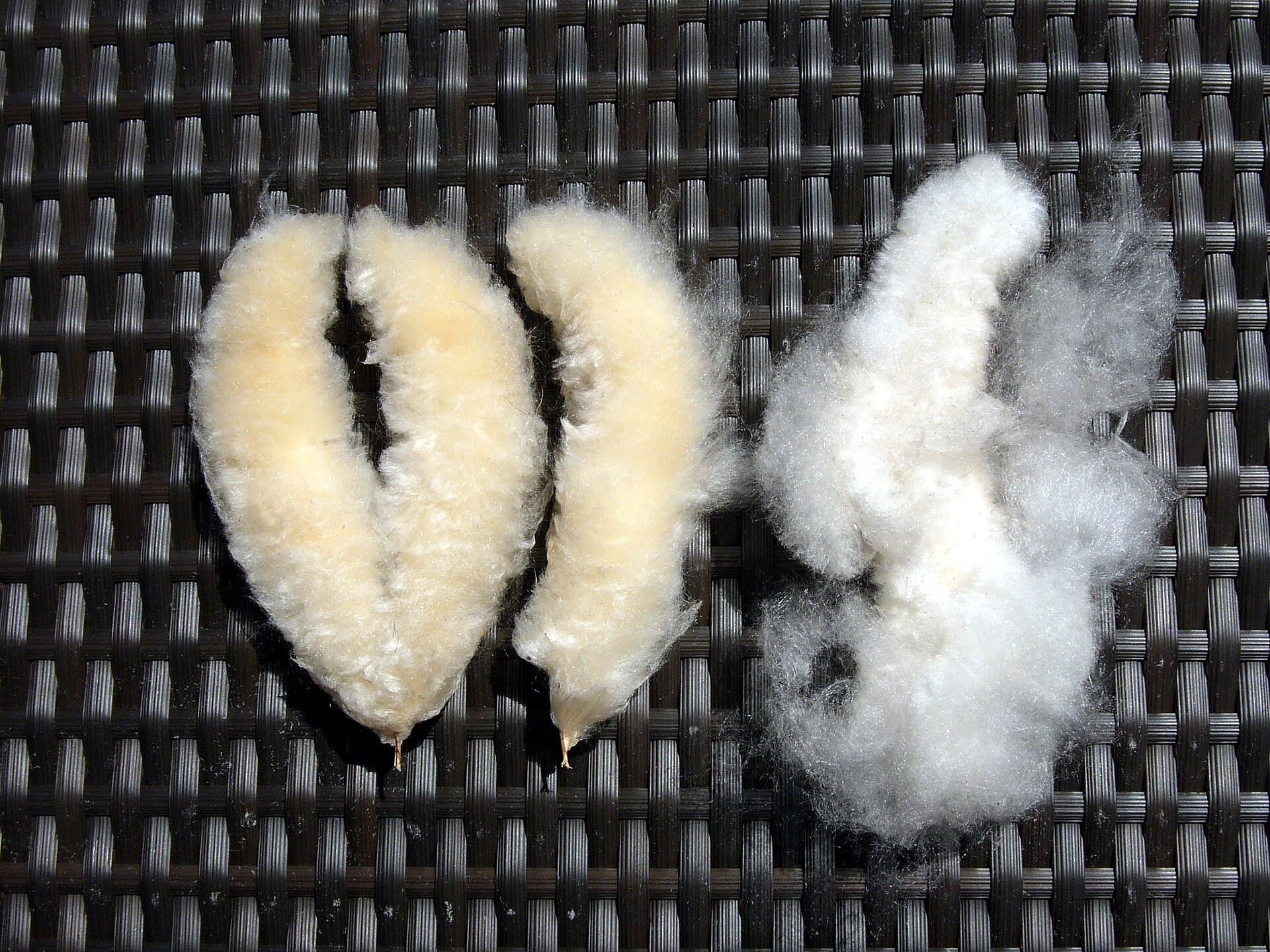
Optional enzymatic cottonization
Ring, rotor, and vortex frames want a cotton-like staple, not a 3-meter strand. A chemical-free enzymatic treatment softens and shortens the fiber to a 28–38 mm staple (banana) or 32–38 mm (pineapple) at 15–35 microns — blending at 10–40% with cotton, Tencel, or modal.
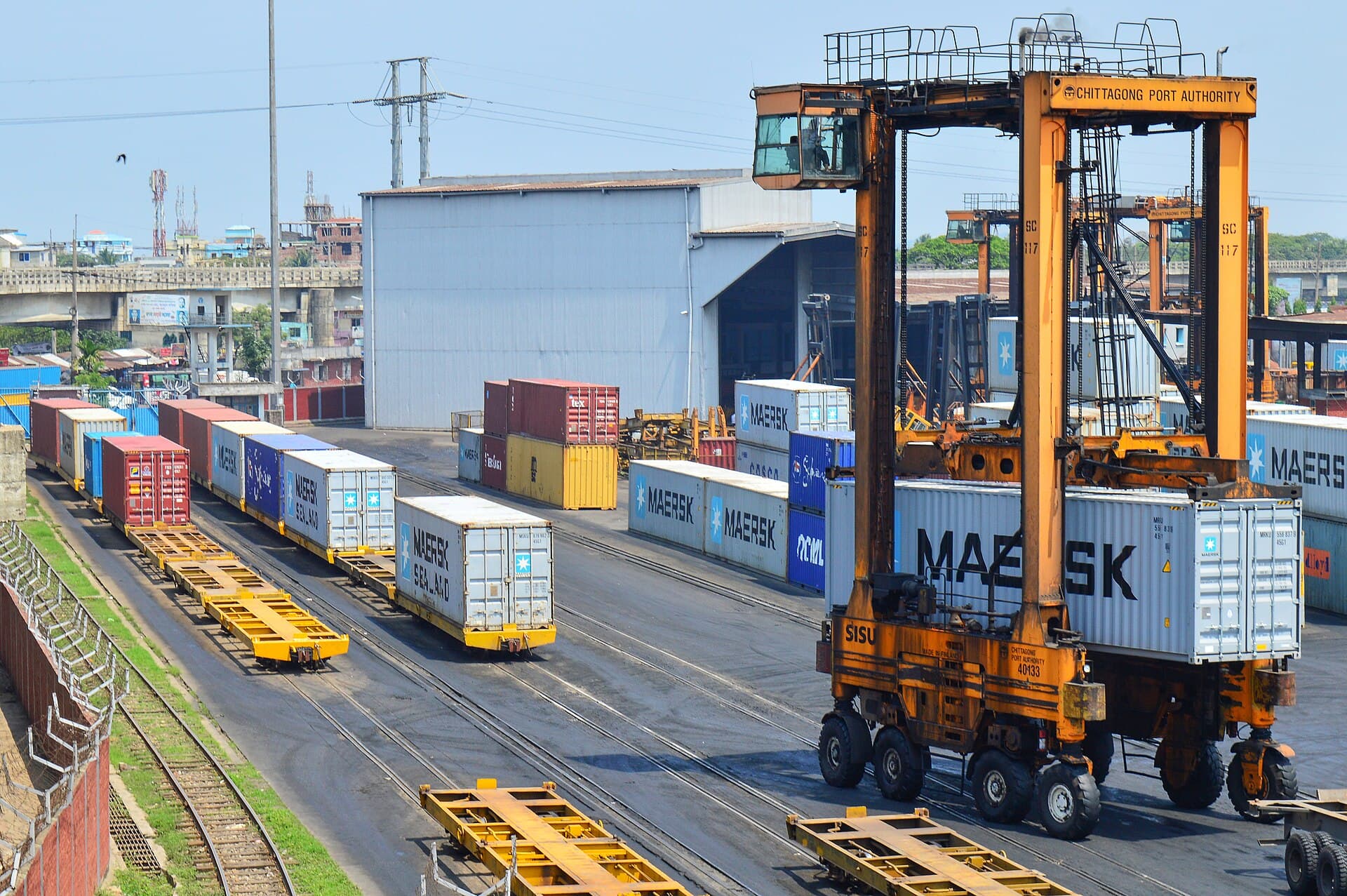
Chattogram to your port
Baling & export
Graded fiber is compressed into 25 / 50 / 100 kg bales (~18–20 t per 40' high-cube), documented under HS 5305 with phytosanitary certificate, Certificate of Origin, and the per-lot TDS — and loaded at Chattogram within 2–4 weeks of order confirmation.
Watch the first step
Stem cutting on the farm
The harvest moment everything starts from — shot in the Tangail collection area.
Step 01 · Harvest
Banana pseudostems are cut within days of fruit harvest — the freshness window that decides whether the fiber stays supple or turns brittle.
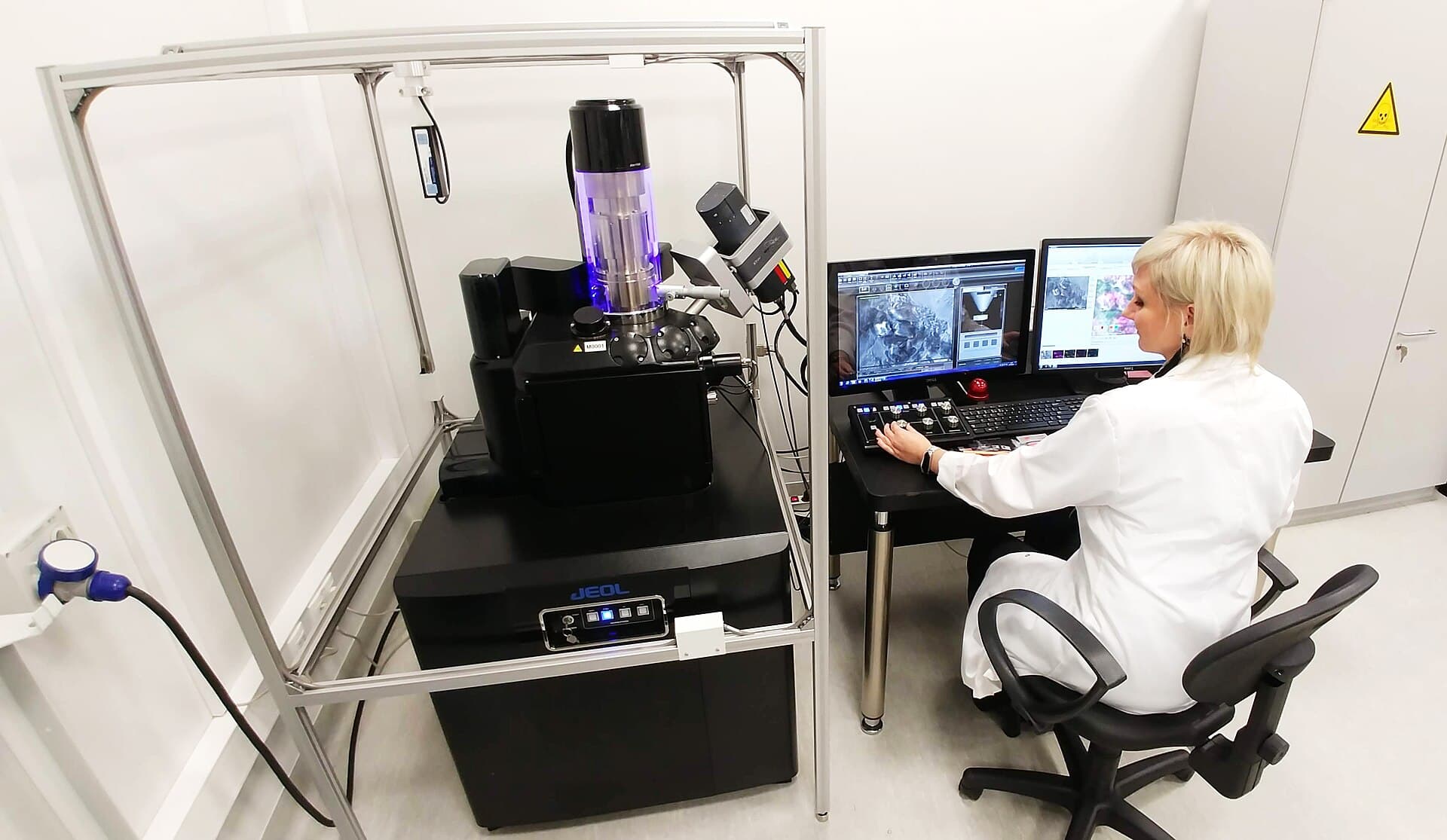
ISO/IEC 17025 accredited
Hohenstein lab reports, per production lot
Quality control
Four gates every bale passes through
If a lot fails a gate, it never reaches a bale — and buyers receive the passing lot's documentation, not a seasonal average.
- 1
Intake
Incoming pseudostems and leaves inspected for freshness — material past its fiber prime is rejected at the gate.
- 2
Post-decortication
Strands checked for pulp residue and breakage; roller pressure re-tuned per batch on the spot.
- 3
Post-drying
Moisture verified per lot against the 9–12% specification before grading begins.
- 4
Pre-baling
Samples from every graded lot go to the ISO/IEC 17025 accredited lab; results fill the per-lot TDS.
A deliberate choice
Why mechanical decortication beats retting
Traditional bast-fiber processing soaks plant material in water for weeks. We chose the harder mechanical route — capital equipment and skilled operators in place of water and waiting.
Retting ponds — what we avoided
- Consumes large volumes of water and produces foul effluent
- Weather-dependent — quality erodes while nobody watches
- Pond odor for surrounding villages; yield and strength losses
Mechanical decortication — what it buys
- No effluent to treat and no ponds — clean enough to compost straight back onto fields
- 9–12% moisture spec hit on schedule, every lot
- Fiber reaches the lab with its full 500–900 MPa tensile potential intact
The yield math
Why fiber is precious — the honest arithmetic
Low yields are exactly why chemical-free, careful processing matters: every wasted percentage point is a percentage point of a farmer's second income gone.
- 5–8%
- of pseudostem weight
- A 30 kg stem → ~1.5–2.4 kg clean dry fiber
- 1.5–2.5%
- of pineapple leaf weight
- Why PALF commands a premium over banana
- 190→38 t
- waste in → fiber out / yr
- Across our Tangail collection area
The loop closes
The other 80% becomes compost
What the decorticator scrapes away is ~152 tonnes per year of nitrogen-rich pulp returning to Tangail fields — nothing burned, nothing landfilled.
From process to product
See where this fiber goes next
Each product page carries the full specification, indicative pricing, and export terms.
Want the deep technical version, with machinery detail and photos-of-process descriptions? Read our companion article, How Banana Fiber Is Made: From Pseudostem to Export Bale.
Ready to source?
Get a written quotation within 24 hours
Tell us your grade, quantity, and destination. We reply with specs, indicative pricing, and a sample plan — MOQ from 200 kg, samples from 0.5 kg.