Ring spinning
Best for: finest counts up to 30s/40s Ne
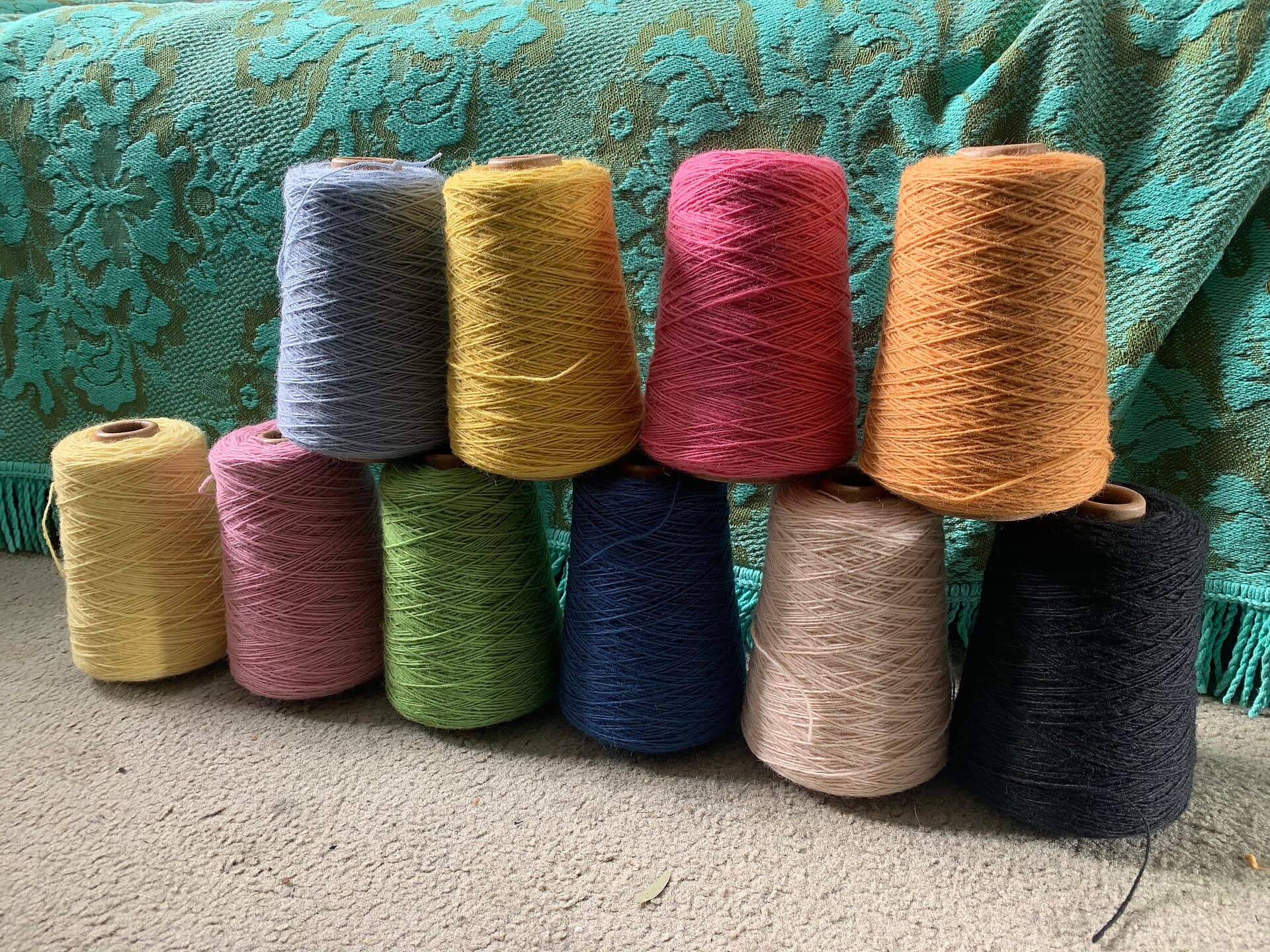
Delivers the cleanest yarn surface — the route for premium shirting and knitwear blends where luster must survive to the fabric.
Technical Material — HS 5305
PALF's silvery luster on your existing frames — a 32–38 mm staple that spins to 30s/40s Ne on ring, rotor, and vortex systems.
The Material
The same enzymatic platform we use for banana, applied to a finer, whiter parent fiber — the closest natural analog to silk on conventional cotton equipment.
At a Glance
Production specs from our factory in Modhupur, Tangail, verified per lot. Spinning-parameter guidance ships with every TDS, with technical follow-up through your trial window.
Where cottonized banana fiber brings strength and a golden tone, cottonized pineapple brings fineness and cool, silvery sheen — the two complement rather than compete. Our fiber comparison guide maps the trade-offs, and the parent fiber is on the PALF page.
Spinning Compatibility
No bast-fiber line, no special spindles — the staple window overlaps cotton.
Best for: finest counts up to 30s/40s Ne
Delivers the cleanest yarn surface — the route for premium shirting and knitwear blends where luster must survive to the fabric.
Best for: denim and knit programs at volume
The efficiency-first entry point. Rotor frames tolerate the fiber's low elongation well and produce compact, hard-wearing yarns.
Best for: pill-resistant single jersey and shirting
Low-hairiness yarns that showcase the fiber's sheen — a strong match for brands marketing the material story directly.
Because the parent fiber elongates just 1–3% before break, tension settings deserve attention during first trials — typically a modest reduction in break-draft versus an all-cotton mix. Our TDS lists starting values, and our mill's spinning team stays available through your trial window.
Production Process
Moisture controlled to 9–11% before baling, sampled per lot, and tested at an ISO/IEC 17025 accredited laboratory (Hohenstein).
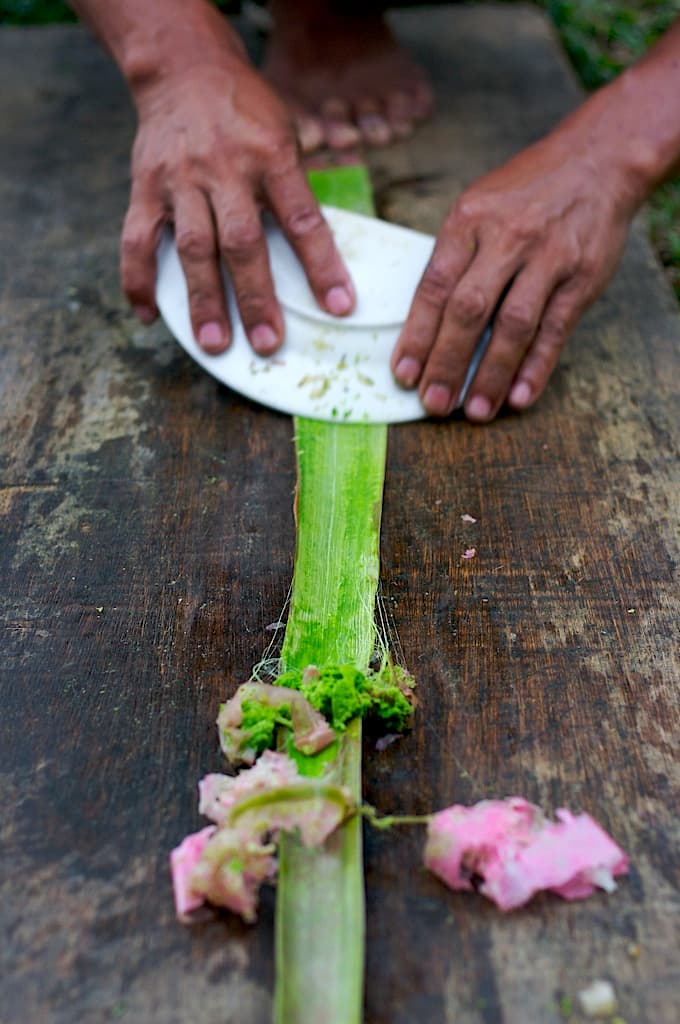
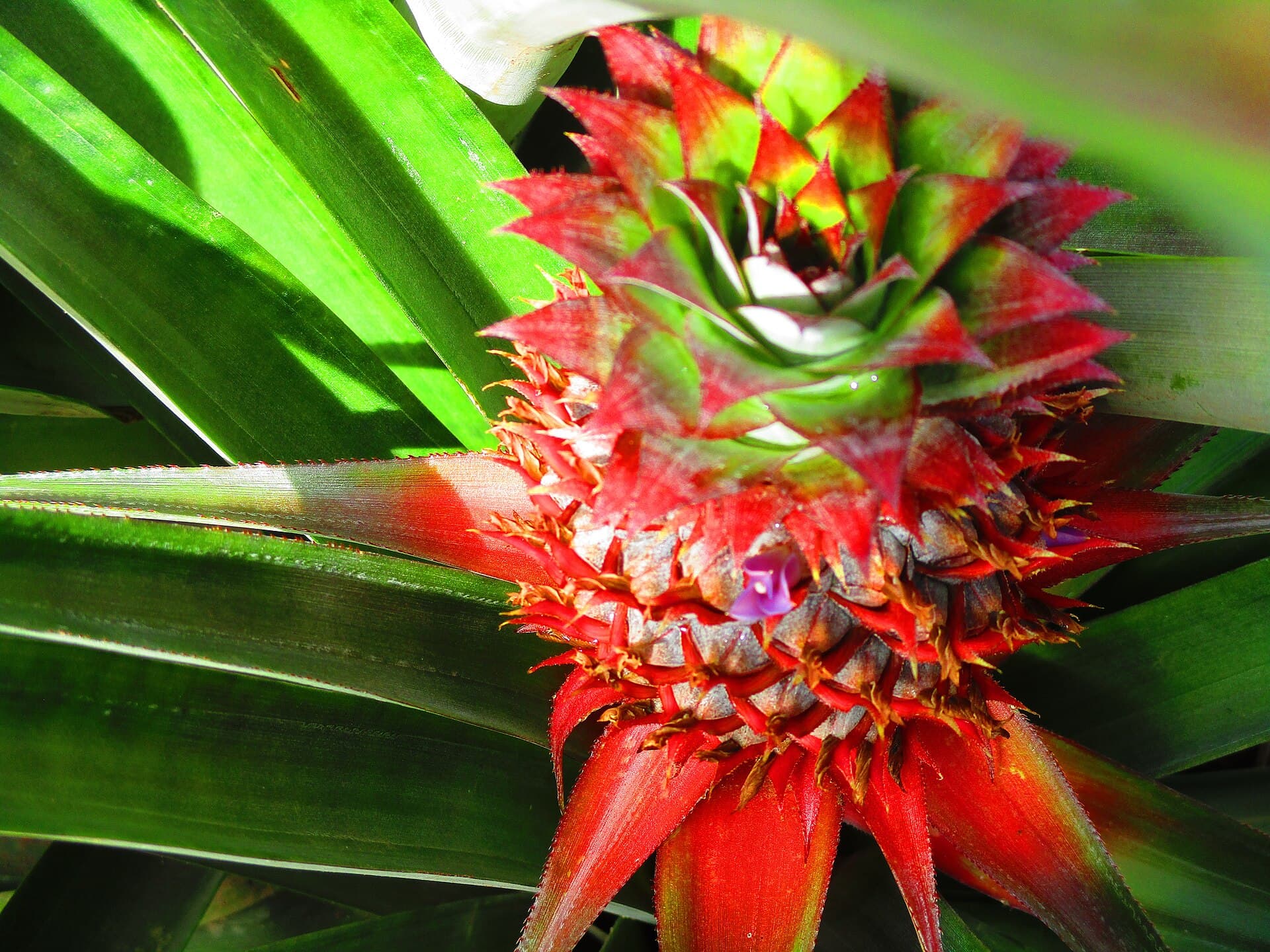
Our starting point is natural pineapple leaf fiber — 40–90 cm strands with 70–82% cellulose and the silvery-white luster that made piña cloth a Philippine heirloom.
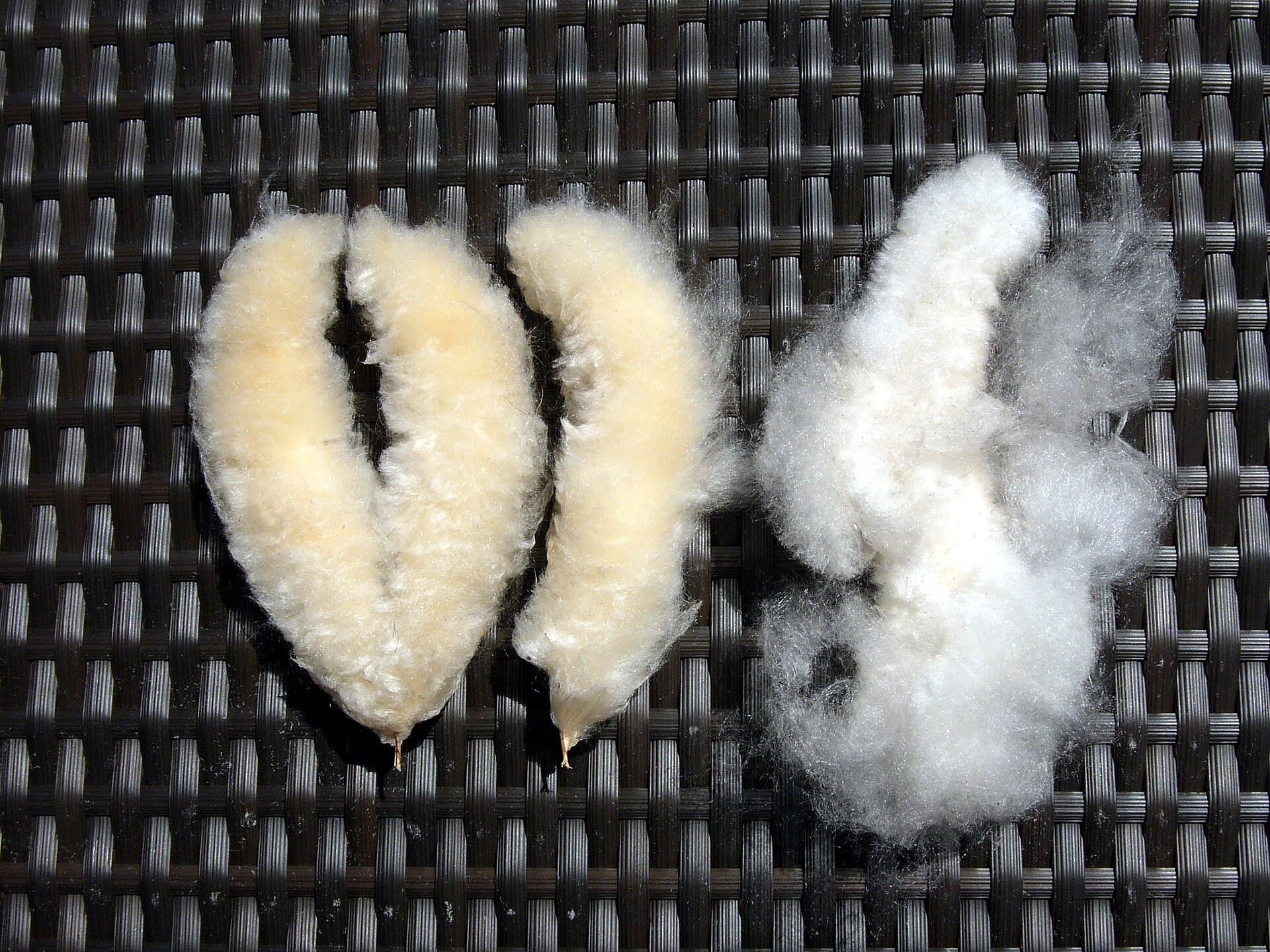
A chemical-free enzymatic process at our factory converts the strands into a 32–38 mm cottonized staple at 9–11% moisture regain.
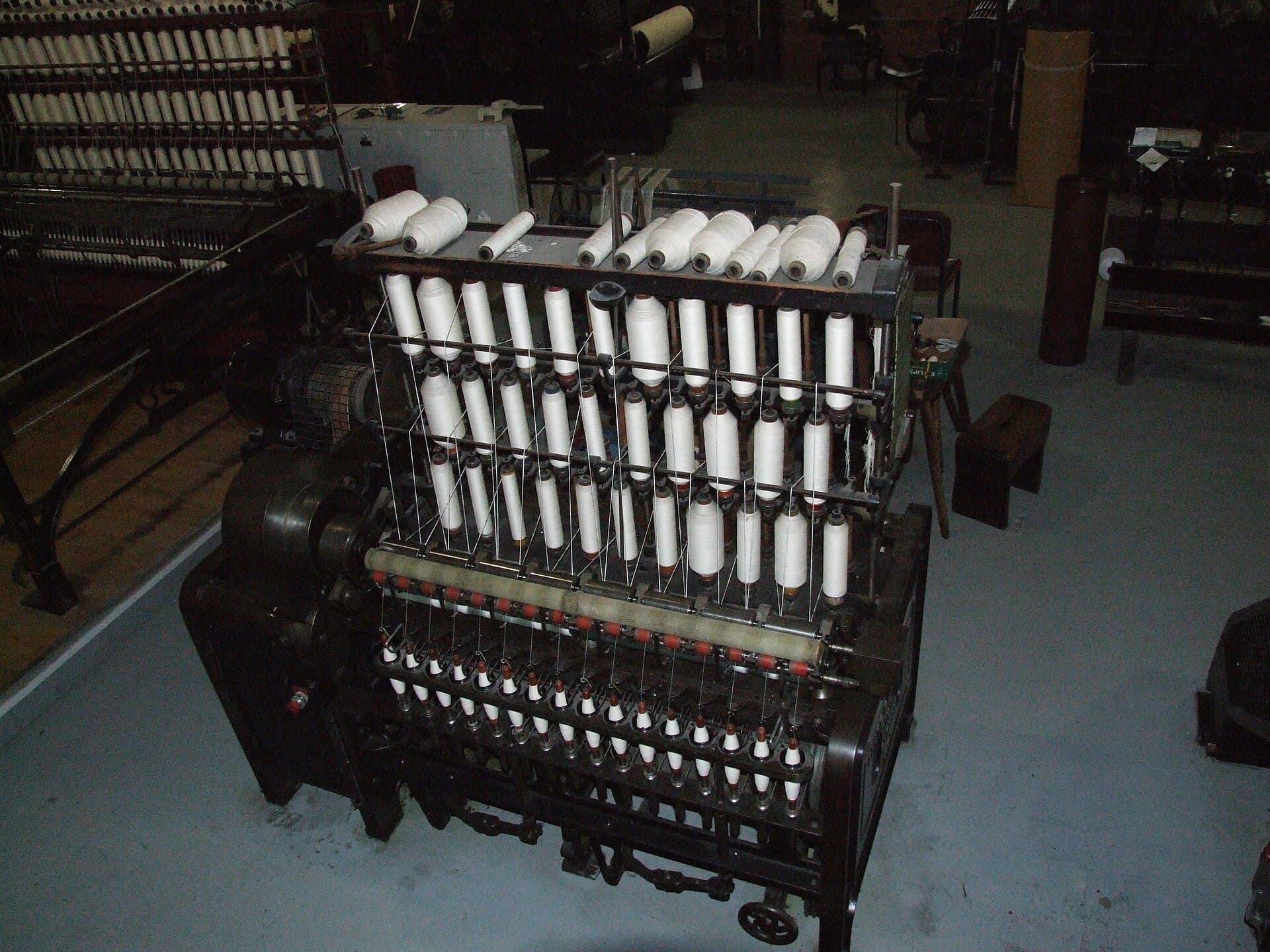
The staple runs on ring, rotor, and vortex frames — up to 30s/40s Ne. Draft, carding, and blending recommendations ship with every TDS.
With organic cotton, recycled cotton, Tencel, or modal — premium shirting, knitwear, and occasionwear with a verifiable natural story.
Blend Programs
Organic cotton and recycled cotton keep sustainability claims intact; Tencel and modal push drape and sheen — the direction luxury programs typically choose.
10–20%
Minimal processing changes and the silvery luster still reads in fabric.
20–30%
Where most programs settle — balancing hand, count stability, and cost.
30–40%
The blend takes on PALF's characteristic hand and identity.
Finished yarns land in premium shirting, knitwear, lightweight denim, and occasionwear — categories where a verified natural fiber story supports price points that absorb a specialty blend. Processing notes per application live on our applications page.
Use Cases
Four channels, each leading with a different property — luster, heritage, moisture management, or substrate performance.
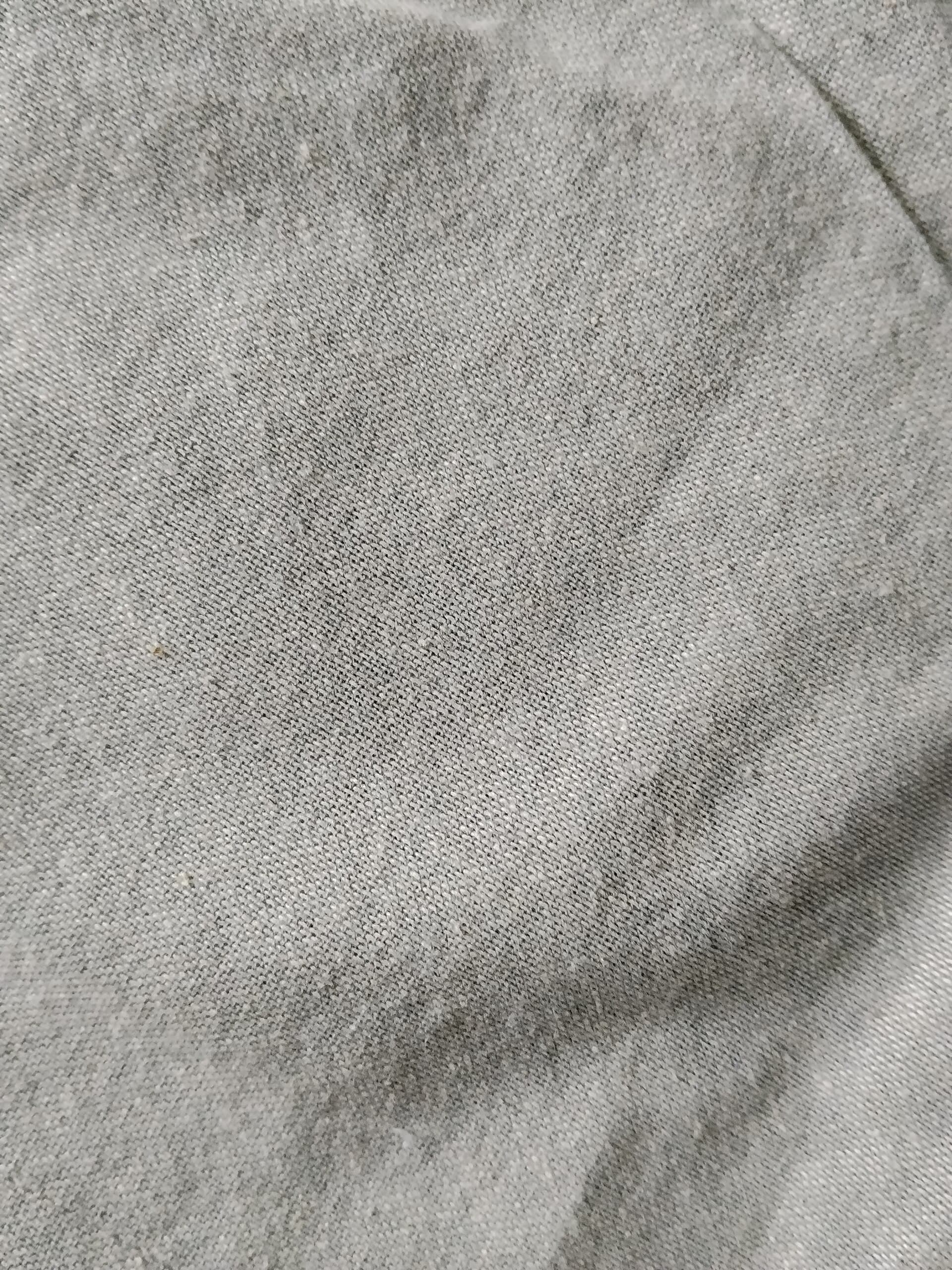
The luster shows clearly even at 10–20% blends — a silk-adjacent surface on cotton equipment.
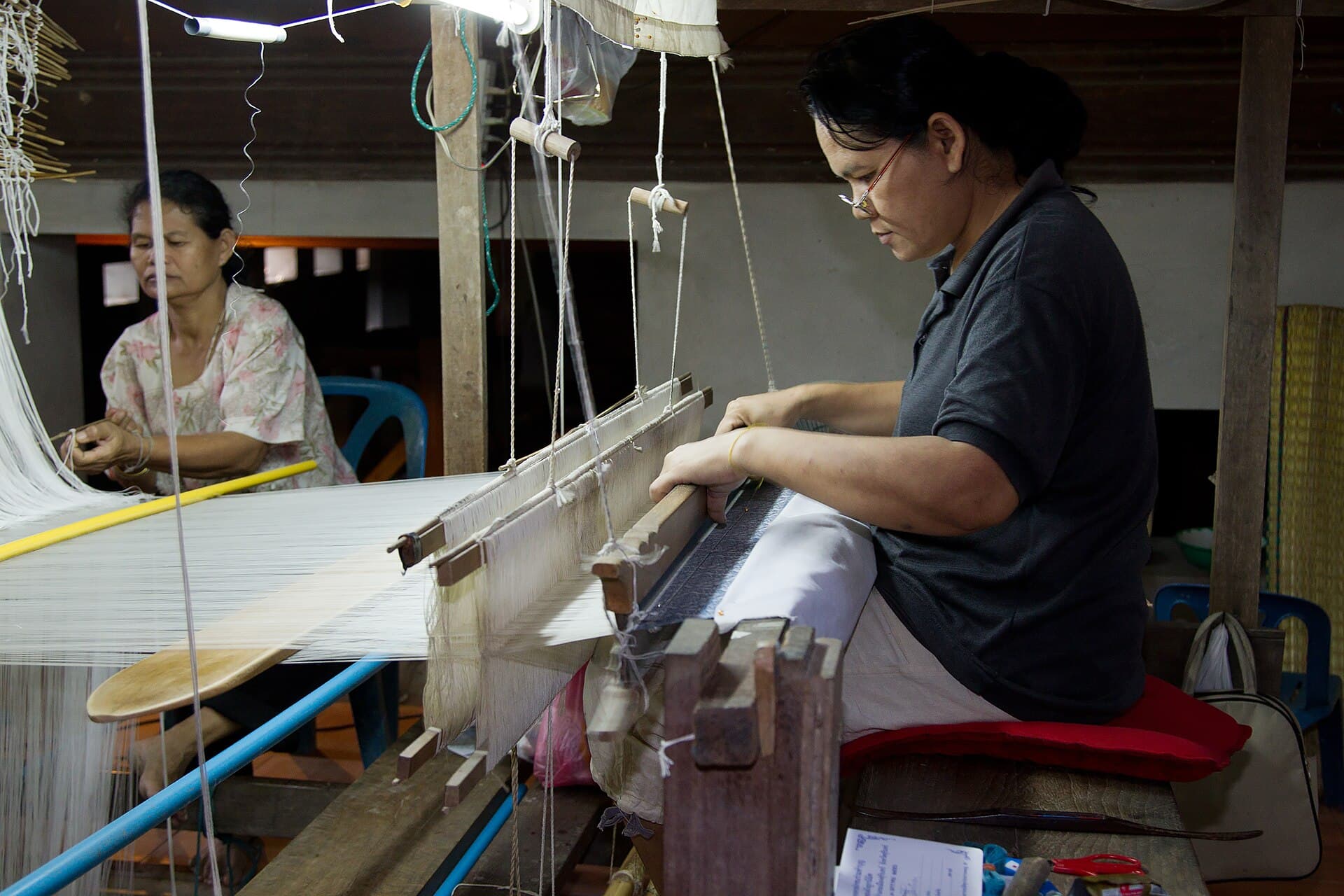
Piña-tradition cloth, industrialized — sheer, lustrous fabrics for brands reviving the heritage story.
High cellulose content (70–82%) gives strong moisture management — a warm-climate selling point.
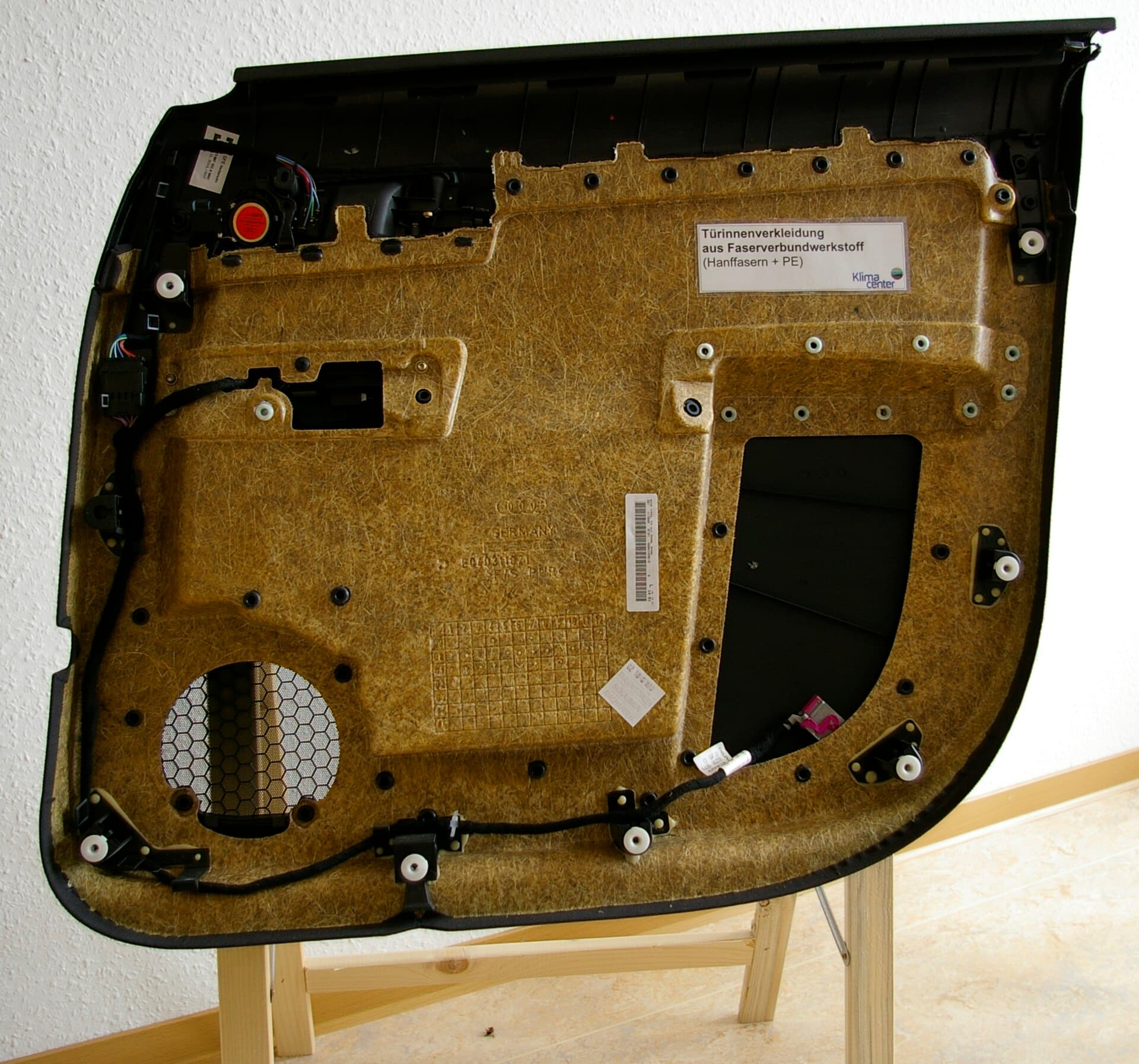
The same fiber feeds Piñatex-style vegan leather substrates for bags, footwear, and automotive trim.
Key Benefits
Cottonized pineapple fiber is a premium blend ingredient, not a cotton substitute. These are the properties mills buy it for.
The parent fiber's sheen survives cottonization and shows clearly in finished fabric.
20–60 micron parent PALF approaches silk-like surfaces on equipment you already own.
Spins up to 30s/40s Ne on ring, rotor, and vortex — parameters carry between lots.
70–82% cellulose delivers moisture management for warm-climate shirting and knitwear.
Enzymatic cottonization only — a clean chemical-safety profile for apparel programs.
Leaf-waste diversion, per-lot accredited lab reports, documented Bangladesh origin.
Quality, Packaging & Export
If a production lot falls outside the staple or fineness window, it is held at the mill rather than blended into your program — predictable fiber is what keeps spinning frames running.
Trade Terms
The typical path from first email to running production — sample, 200 kg trial lot, tuned blend, program volume — takes most mills eight to ten weeks including sea transit.
Lead time
2–4 weeks
from order confirmation or L/C opening
Payment
T/T 30/70
or 100% irrevocable L/C at sight
Shipping
FOB / CIF
Chattogram · ~18–20 t per 40' HC
Samples
0.5–3 kg
for frame trials before program volumes
Indicative price bands are on our wholesale page. Because Bangladesh is the world's second-largest garment exporter, L/C banking and export documentation are routine — the audit trail sustainability teams ask for is included as standard.
FAQ
It is pineapple leaf fiber (PALF) that has been mechanically opened and enzymatically softened into a cotton-like staple. Raw 40–90 cm PALF strands — 70–82% cellulose, silvery-white luster — are converted into a 32–38 mm staple that runs on conventional spinning frames, keeping the fiber's fineness and luster while adopting cotton's handling behavior.
Keep Exploring
Ready to source?
Tell us your grade, quantity, and destination. We reply with specs, indicative pricing, and a sample plan — MOQ from 200 kg, samples from 0.5 kg.