Premium grade
Best for: luxury apparel, vegan leather substrates
The finest, whitest, most lustrous strands — selected by fineness and color, the grade behind piña-style cloth and non-woven leather substrates.
Technical Material — HS 5305
Lab-tested PALF from Bangladesh's pineapple belt — 70–82% cellulose, silvery-white luster, 400–700 MPa tensile — for luxury apparel, vegan leather, and footwear brands.
20–60 microns
finer than banana fiber
The Material
For centuries, weavers have transformed pineapple leaf fiber into piña cloth — a sheer, silken fabric with a luster no cotton matches. We supply the raw, decorticated fiber that modern material programs build on.
At a Glance
Production specs from our factory in Modhupur, Tangail, verified per lot by an ISO/IEC 17025 accredited laboratory. Every figure is either a production parameter we control or a value confirmed per lot — the lab report for your sample lot travels with the samples.
One distinction before sourcing: Piñatex is a trademarked non-woven material made from PALF — not the fiber itself, and not the same as woven piña cloth. We supply industrial PALF, the upstream input both traditions build on. Compare PALF vs banana fiber or see the raw banana fiber program.
Why Bangladesh
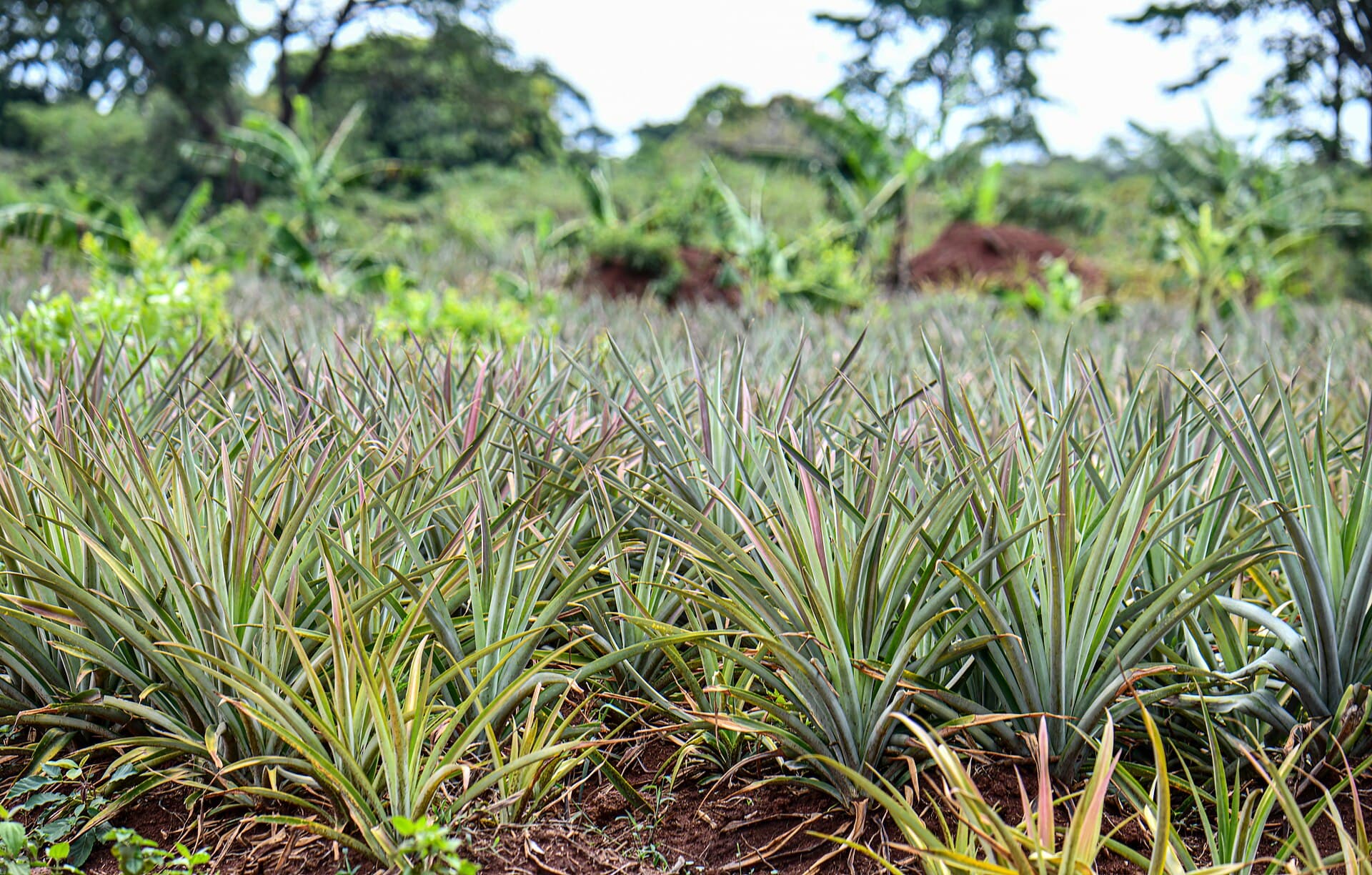
Year-round fruit means a continuous stream of leaves — and our factory sits inside the belt, so leaves move from farm to decorticator in hours. That proximity is the single biggest determinant of PALF quality.
Available Grades
PALF is unforgiving to produce well — leaves must be decorticated fresh, and yield is only 1.5–2.5% of leaf weight. Grading at the mill is what turns that scarcity into a predictable supply chain.
Best for: luxury apparel, vegan leather substrates
The finest, whitest, most lustrous strands — selected by fineness and color, the grade behind piña-style cloth and non-woven leather substrates.
Best for: spinning, footwear, home textiles
Consistent 20–60 micron strands with the silvery luster intact — the workhorse grade for yarn programs and footwear components.
Best for: geotextiles, acoustic panels, composites
Cost-efficient shorter strands with the same 70–82% cellulose core — for civil, acoustic, and composite applications.
Choosing Your Fiber
We supply both, so we have no reason to oversell either. The choice comes down to four properties.
Many material programs blend the two to balance luster, strength, and cost — the full head-to-head with blend suggestions is in our pineapple fiber vs banana fiber guide.
Extraction Process
One mill, one grading standard, one accredited lab report per lot — so a sample approved in March is the same fiber you receive in October.
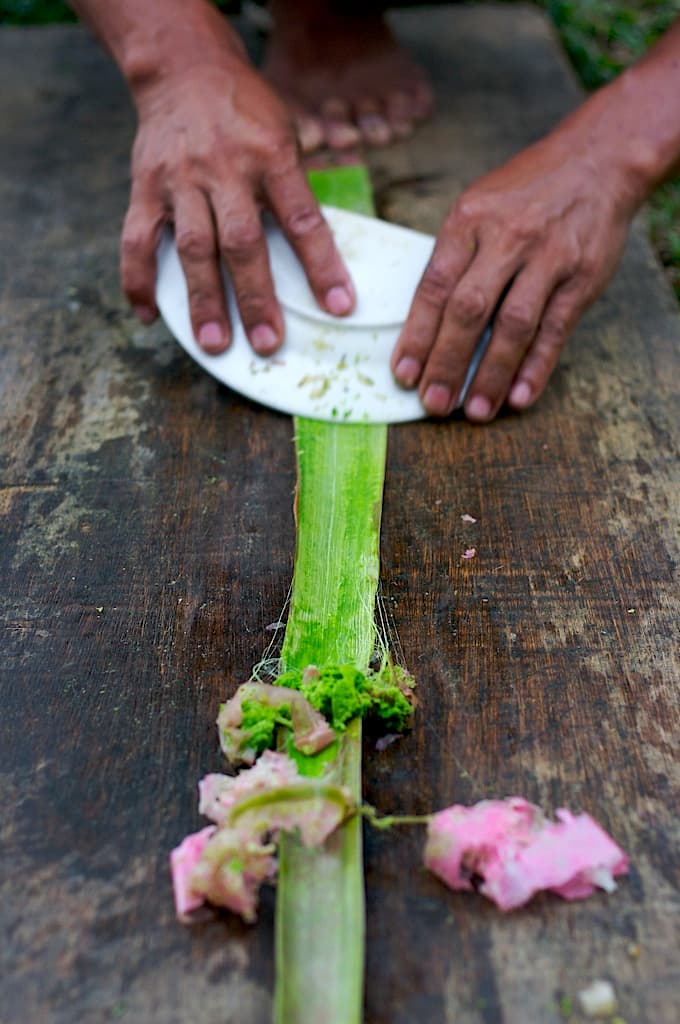
Leaves are pulled from the plant crown right after fruit harvest, while the fiber is hydrated and flexible. Delay by days and strand quality drops measurably.
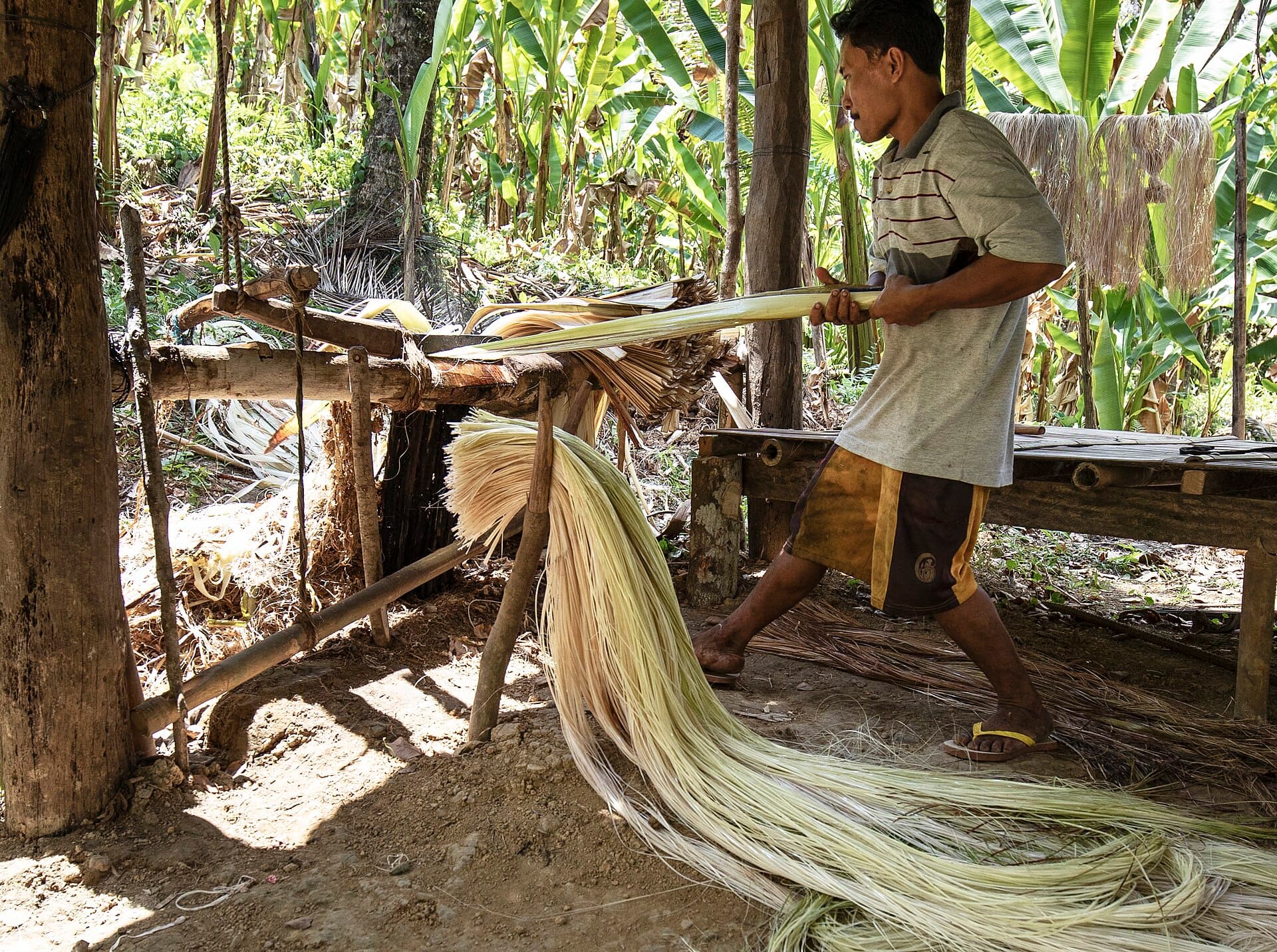
Fresh leaves pass through decorticators that separate the fiber bundle from the leaf pulp — water and mechanical action only, no chemicals.
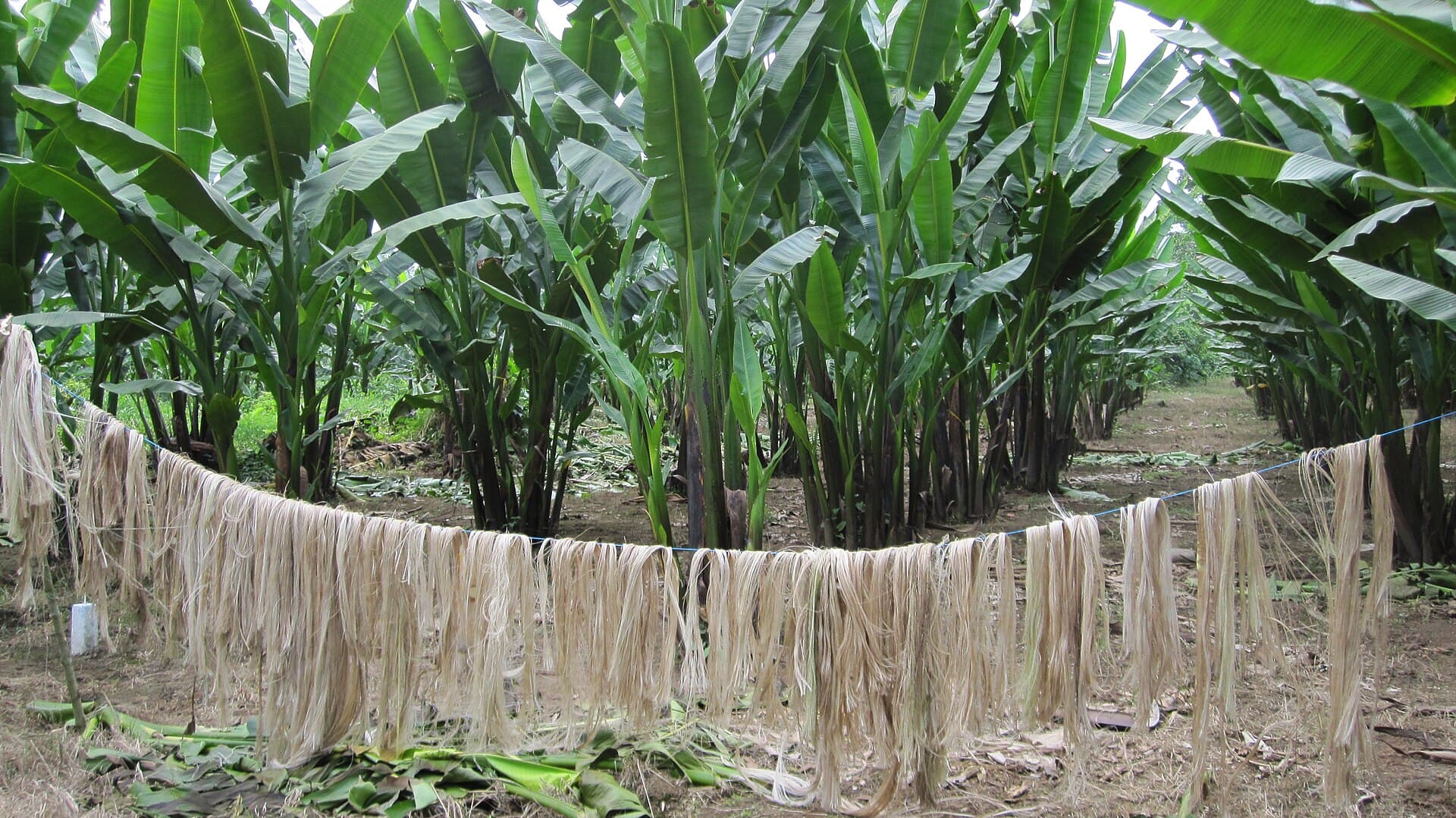
Strands are washed clean of pulp residues and sun-dried to a controlled 9–11% moisture regain, protecting both luster and bale weight.
Fibers are sorted by fineness, length, and color — the silvery-white luster is the grade marker — then compressed into 25, 50, or 100 kg bales.
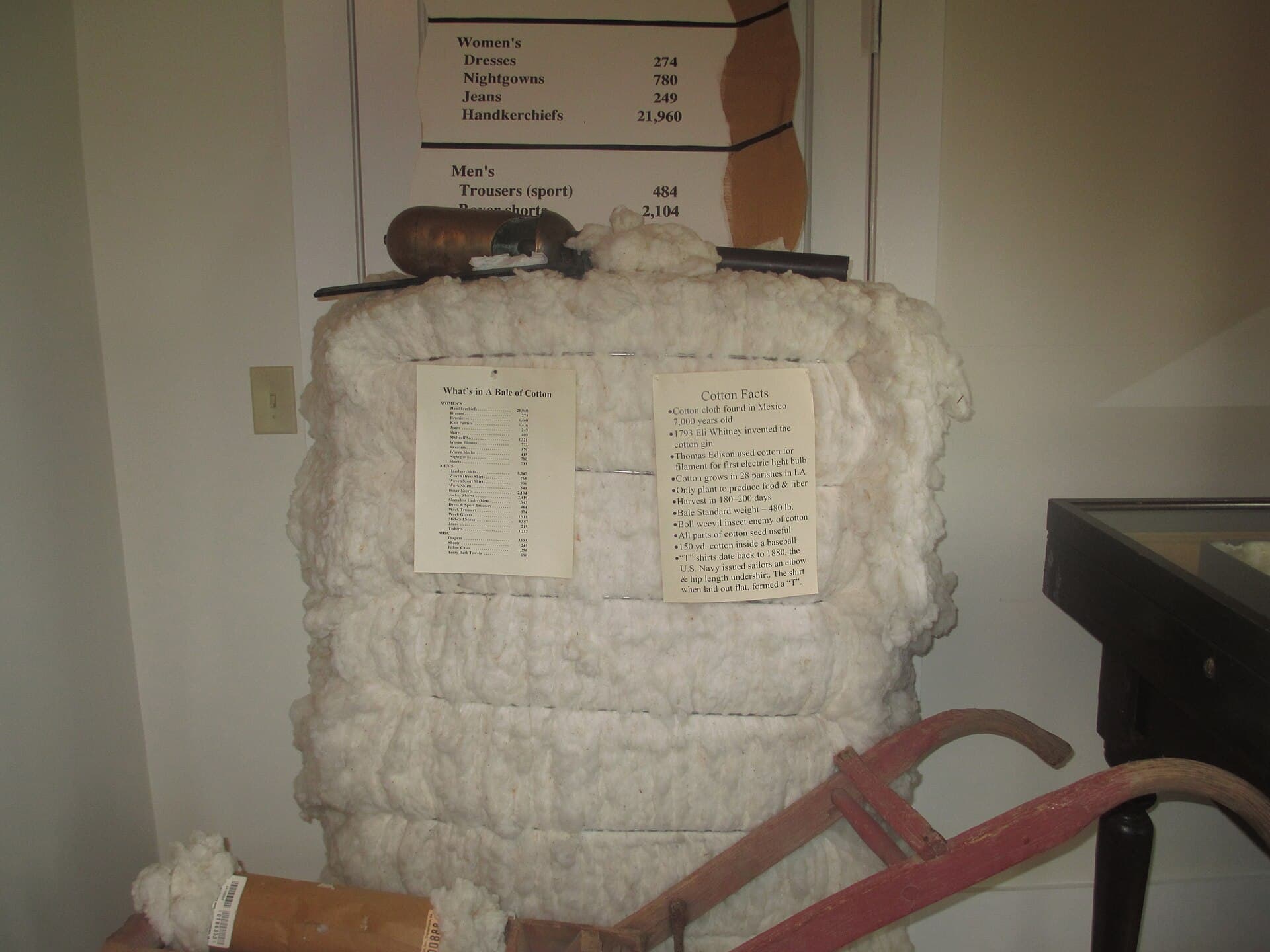
Every lot is sampled for tensile strength and chemical safety at an ISO/IEC 17025 accredited laboratory (Hohenstein); the report ships with your documents.
Processing runs at our own factory in Modhupur, Tangail — see the full process behind every bale we export.
Use Cases
Four demand channels, each using a different property of the fiber — luster, fineness, strength, or absorbency.
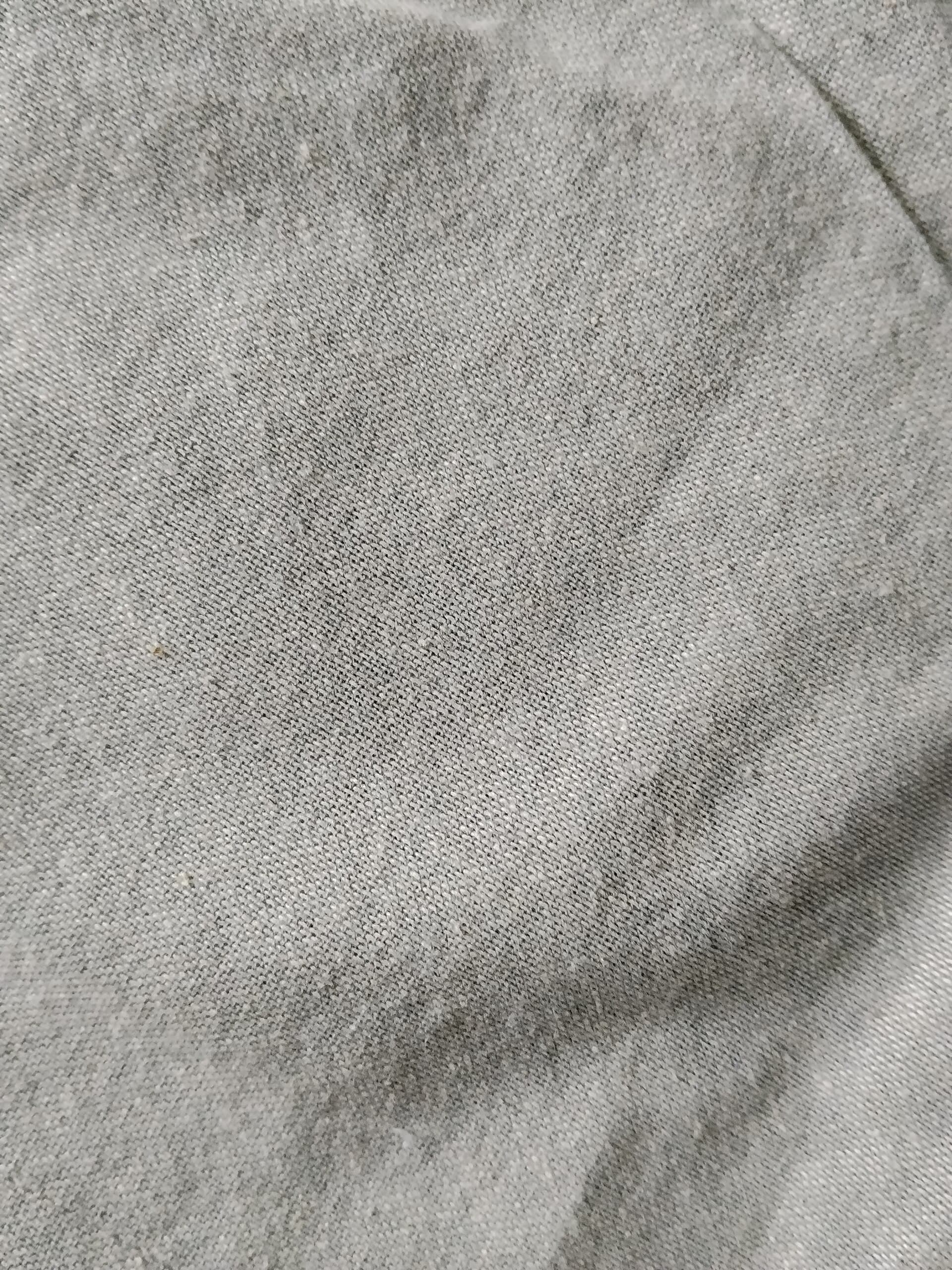
Fine 20–60 micron strands and natural sheen for premium shirting, scarves, and occasionwear where silk-blend price points apply.
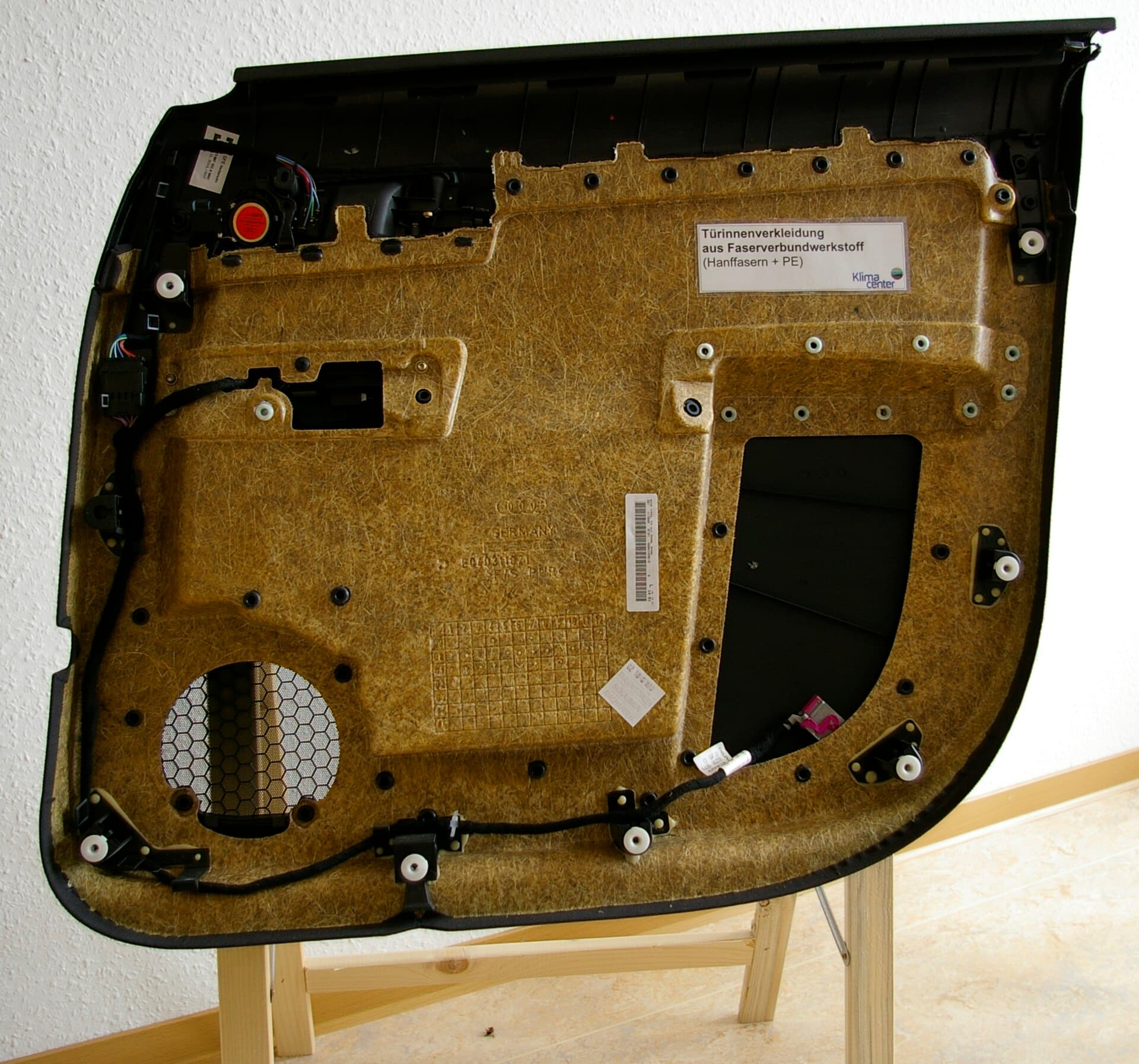
The raw fiber input for Piñatex-style non-woven substrates used in bags, accessories, and automotive trim.
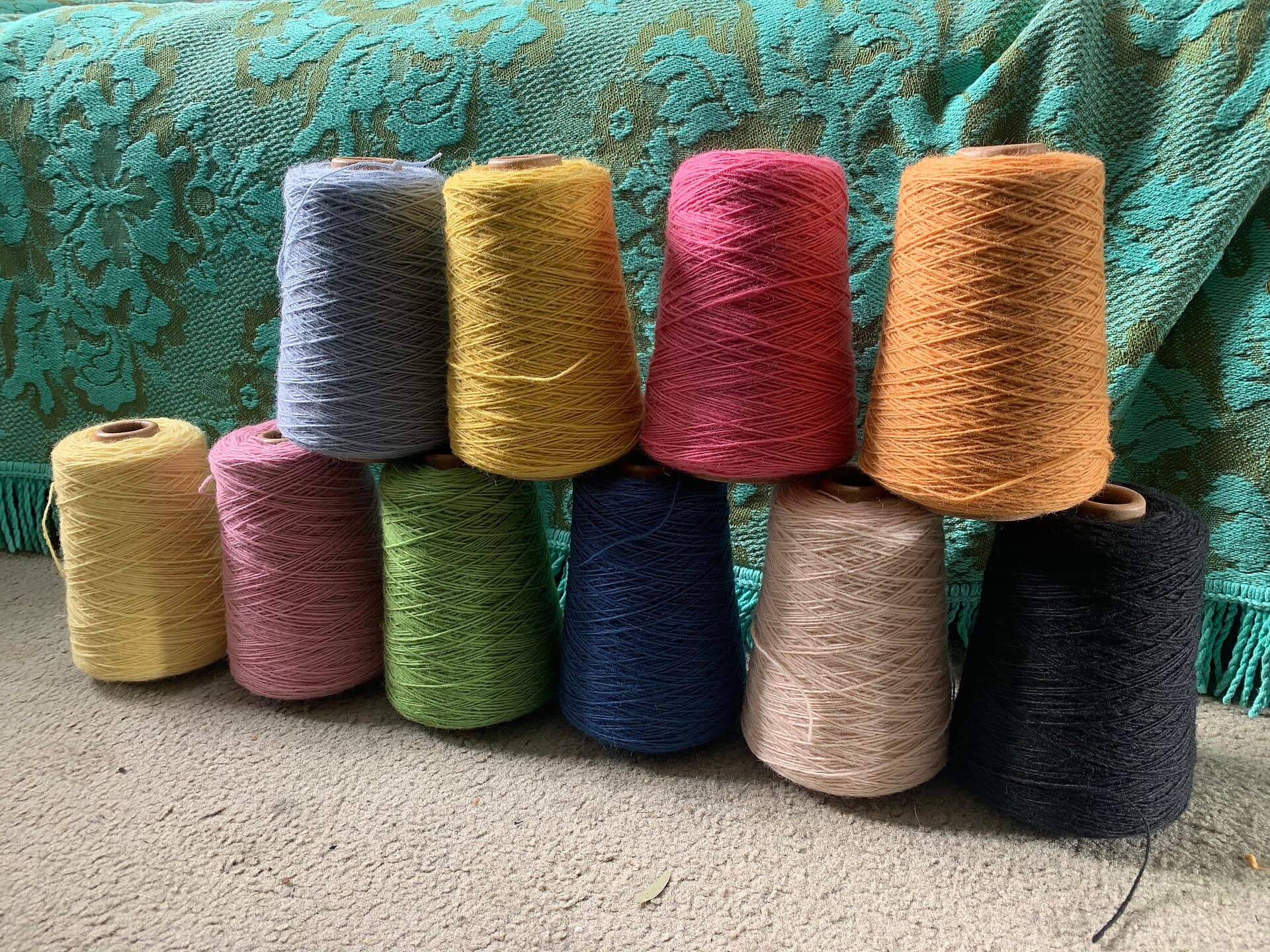
Via our cottonized pineapple fiber, PALF reaches conventional ring, rotor, and vortex spinning without bast-fiber equipment.
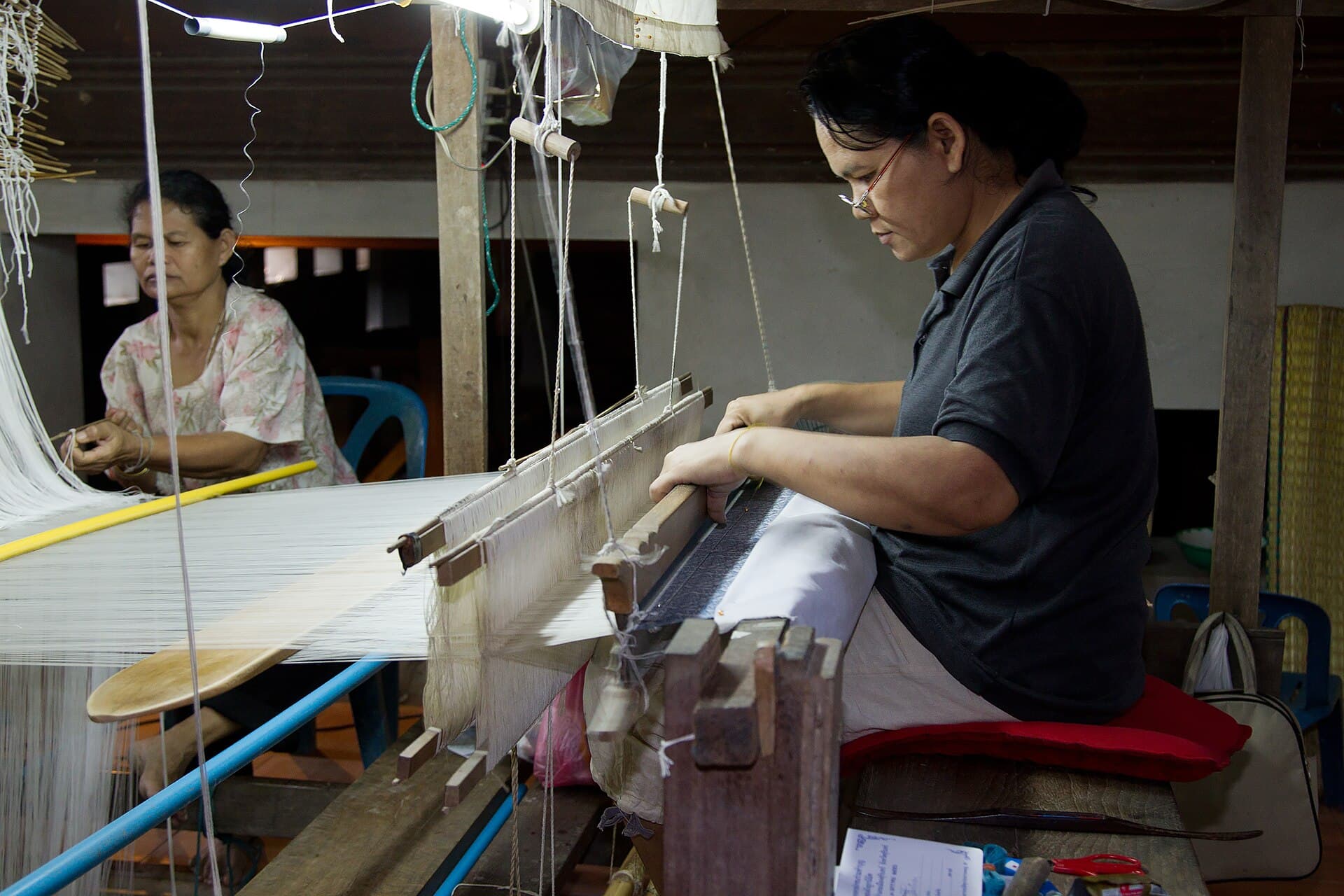
The piña tradition, industrialized — hand and power looms weave PALF into sheer, lustrous cloth for décor and apparel.
Also established: footwear components, erosion-control geotextiles, and acoustic panels. Processing notes per use case live on our applications page.
Quality & Testing
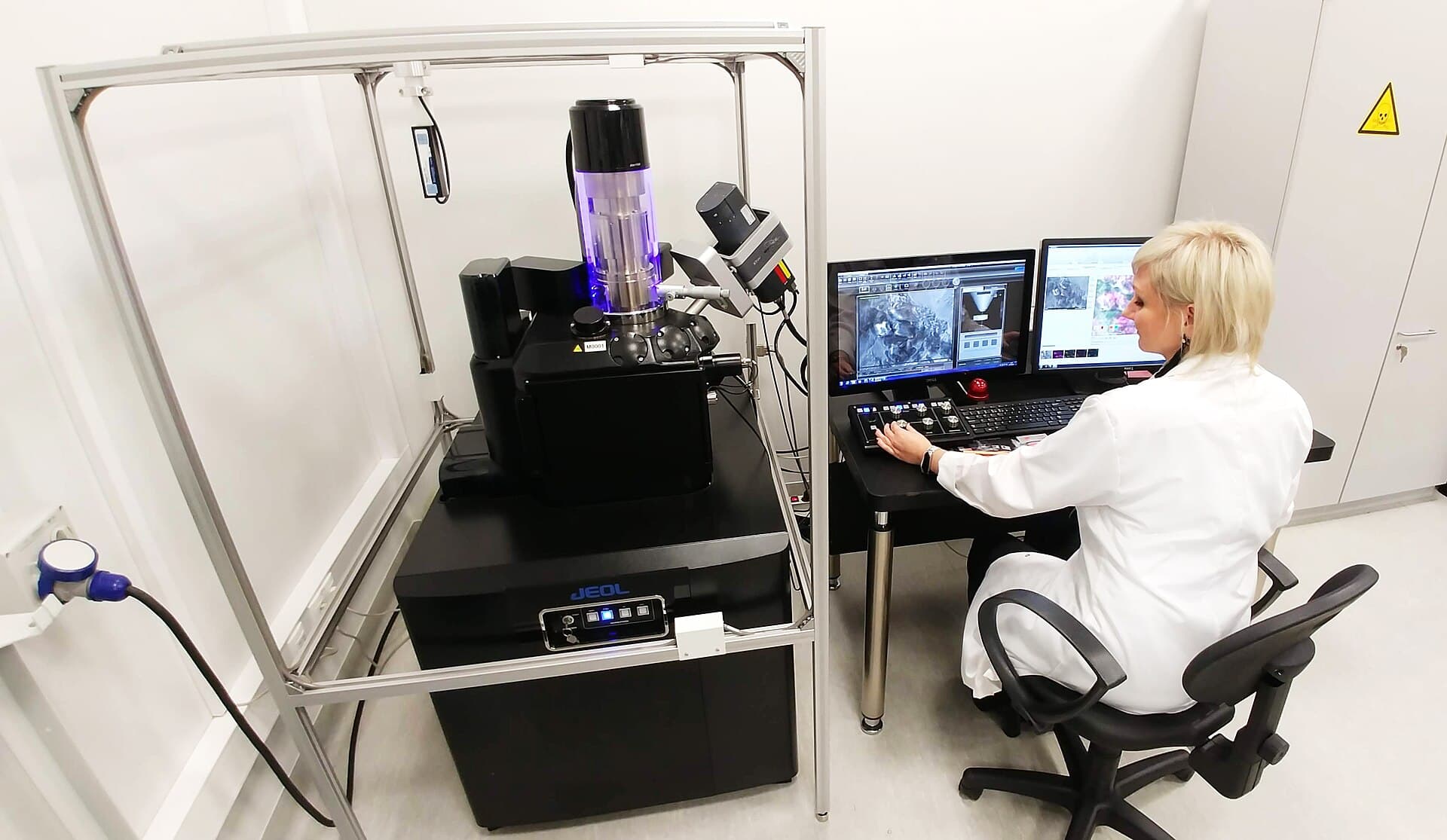
Lot-to-lot variation is the number one complaint buyers have about PALF. Our model reverses it: every lot is sampled for tensile strength and chemical safety at an ISO/IEC 17025 accredited laboratory (Hohenstein).
Substrate manufacturers and spinning mills build consumer-facing claims on top of our paperwork — so we would rather over-document than over-claim.
Packaging & Export
Compressed bales of 25, 50, or 100 kg loaded at Chattogram — with the export machinery of the world's second-largest garment exporter behind every shipment.

Trade Terms
Same discipline as our banana fiber program: numbers first, negotiation second. This is how every PALF order runs.
Lead time
2–4 weeks
from order confirmation or L/C opening
Payment
T/T 30/70
or 100% irrevocable L/C at sight
Shipping
FOB / CIF
Chattogram · ~18–20 t per 40' HC
Samples
0.5–3 kg
by international courier, before you commit
The workflow mirrors our banana program: share your application and destination, receive specs and indicative pricing within 24 hours, trial a courier sample, then confirm with a proforma invoice. Indicative bands are on the wholesale page.
Complete Terms
The four headline numbers above, plus everything a procurement team needs to plan an import: documents, lab reports, container loads, and transit times — published rather than negotiated.
FAQ
The questions our sales team answers most — heritage, properties, sampling, and shipping.
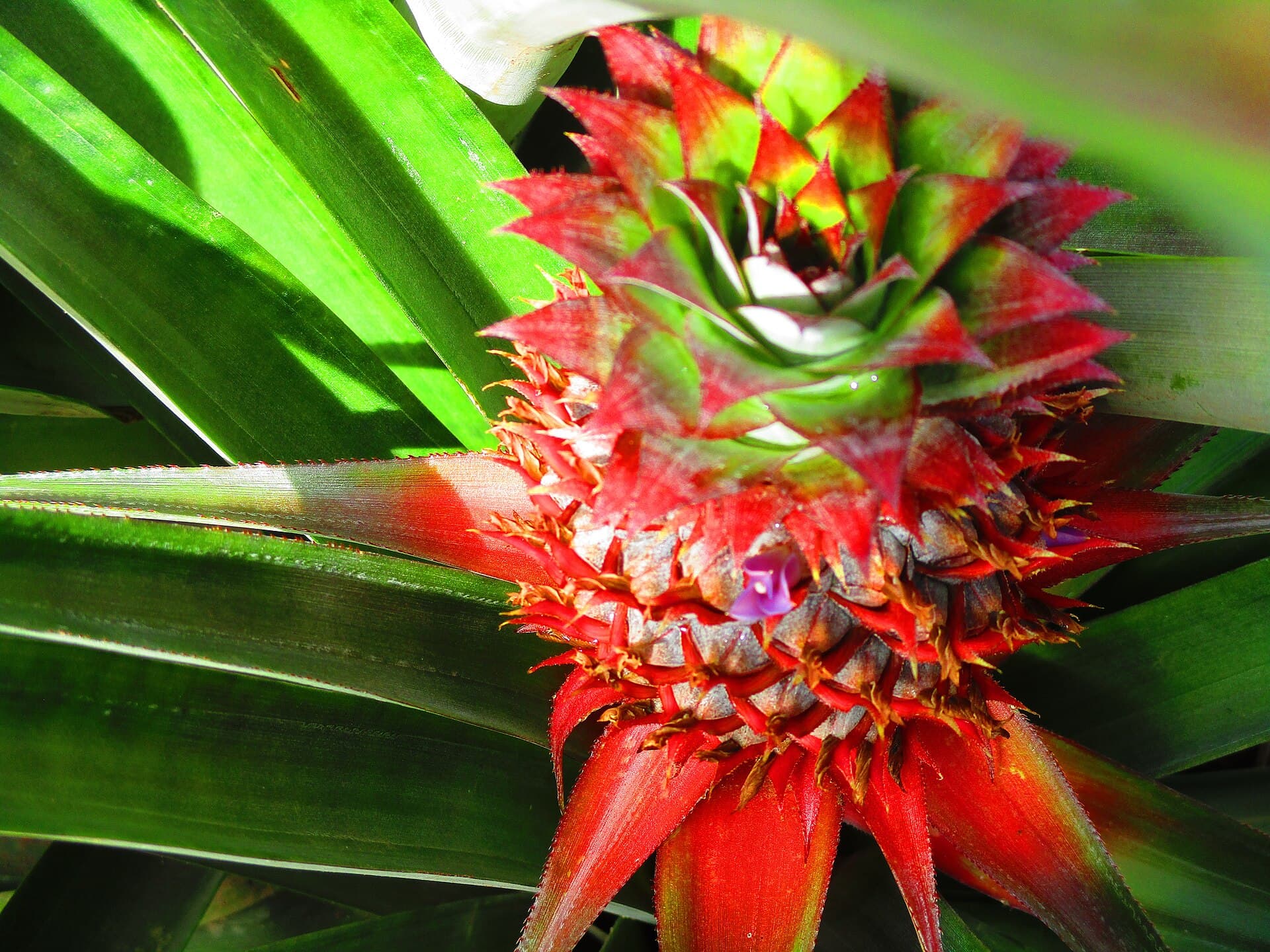
PALF is a natural cellulose fiber extracted from the long leaves of the pineapple plant — Ananas comosus — after fruit harvest. Leaves that would otherwise be burned or left to rot are decorticated, washed without chemicals, and dried into fine, silvery-white strands with 70–82% cellulose and a tensile range of 400–700 MPa.
Keep Exploring
Ready to source?
Tell us your grade, quantity, and destination. We reply with specs, indicative pricing, and a sample plan — MOQ from 200 kg, samples from 0.5 kg.